Rwanda Fair Trade Rushashi Duhingekawa Womens Coop

Rwanda Fair Trade Rushashi Duhingekawa Womens Coop

Farm Description

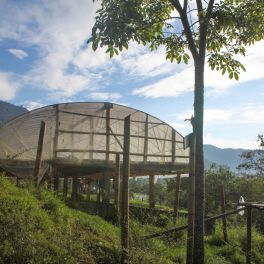
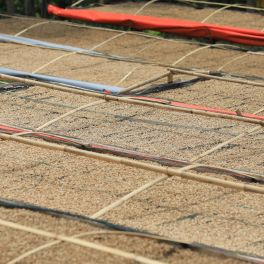
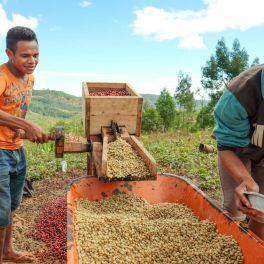
Abakundakawa is a 1700 member cooperative that mills its coffee at the Rushashi washing station. The average altitude here is 1600 to 1800 meters for coffee production, the varietal is traditional Bourbon seedstock, and the typical wet process method is used, with sun-drying on raised beds or patio. This is Fair Trade certified, part of the USAID project in Rwanda to improve the quality of life ... but it is also a special micro-lot separated from the bulk production of the Abakundakawa coop. This is produced exclusively by a women's group, Duhingekawa, a 70 member sub-group of the coop, and we have paid a premium for this particular lot that is returned directly to the women producers, that is returned directly to the women producers. Separate woman's cooperatives are not unusual (duhingekawa simply means "woman's coffee") , but marketing their coffee separately is rare.

This coffee is part of our Farm Gate pricing program.

Cupping Notes

The fragrance here has soft floral notes and (a theme throughout the cup) a sweet citrus note. The wet aromatics is where the coffee comes to life; a bouquet of orange blossom and lemon oil hints; bright, sweet and floral. The cup fulfills the promise of the aromatics; citrus flowers, sweetness, vivid aftertaste, and a rather silky body (although not that heavy). It's a bright and vibrant flavor profile, especially at City+ roast level. The sweetness has a sweet brown malt flavor, caramelly, and lingers through the long aftertaste. I would not go too light here: My lighter City roasts were a bit baked-tasting and under-developed. Roasted and brewed well, it is a remarkably attractive cup, with Yirga Cheffe floral notes and flashes of Kenya-like brightness.

Score

88.8

Lot Size

11 Bags

Roast Recommendations

City + is ideal, a balance of floral sweetness and pleasing bittersweet aftertaste.

Processing

Wet Process

Varietal

Bourbon    

Grade & Appearance

.4 defects per 300 grams; 16-18 screen

Packaging

Shipped to us in jute
Bookmark and Share
This coffee has sold out. The review is provided for reference purposes only.

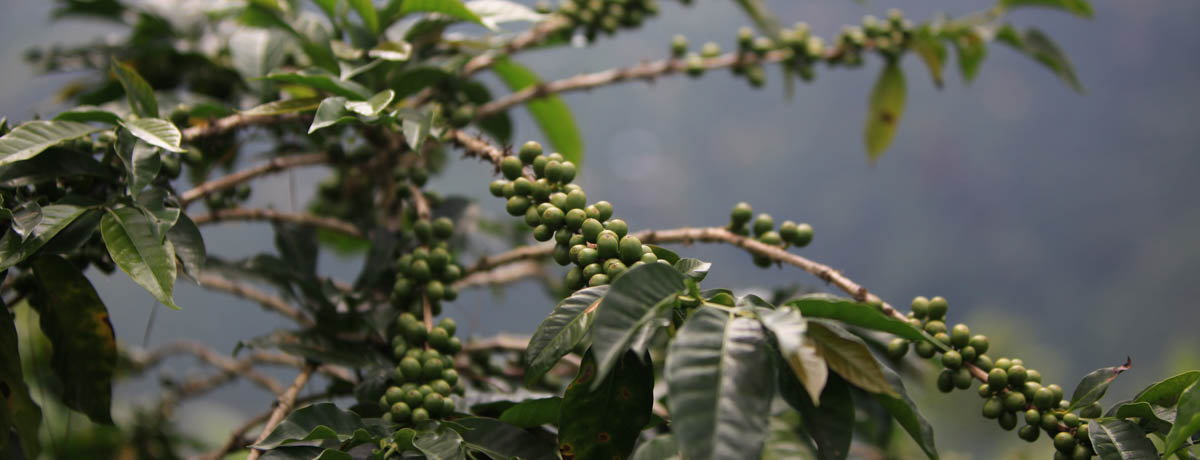
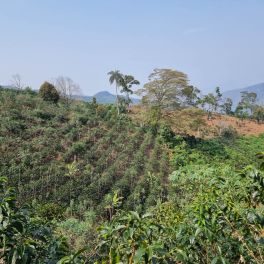
View of the landscape around the mill.

Coffee cherry at the receiving tank.

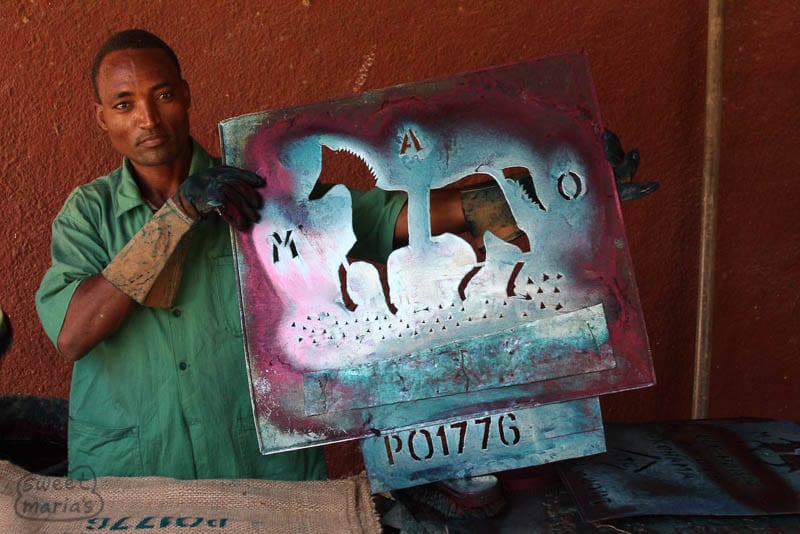
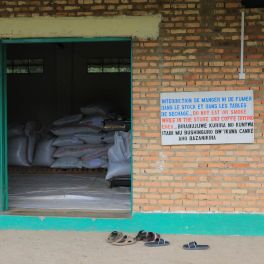
Sorting parchment ready for the dry mill.
 

Comments

#1 Some Roasting Thoughts

We did a round of profile roasting on this coffee.

2 lb, 300F/300F charge; 1st Crack at 9m, 3 minutes until drop; 1st Crack over by 395F/404F

1: Dropped at 410F: amazing fragrance, decidedly floral with hints of lavender and perfume; fantastic aroma of candied orange and perfume again on the break and even as brewed coffee (Chemexed) smelling while sipping.  In the cup, date-like flavor, slight lemon and citric, almost-zingy brightness, smooth, silky, vaguely heavy mouthfeel, AMAZING sweetness and orange in the loooooong aftertaste.

2.  Dropped at 405F: similar profile to Roast 1, but with slight touches of grass and legumes.  The body was less present as well.  Mellows out with more rest (48+) and becomes quite drinkeable.

Dropped at 415: denser, less attractive aromatics, noticeable pruniness.  Slight astringency at 12 and 24 hours of rest.

All tasted good as pour-over and Chemex, but the press also highlights the body in a really nice way.

Further Green Coffee Offerings

Burundi Kirimiro

This Kirimiro lot is a floral coffee with tremendous sweetness and fruit flavors. Perfumed aromatics like spiced apple cider or more basically put, mulling spice, set the tone in the dry...

Guatemala Soledad-Maravilla SWP Decaf

The fragrance from the dry grounds has a unique bittersweet chocolate, spice, dried fig, and a hint of hickory. Adding hot water, the cup is a bit funky with raisin, fresh dark currant and humus;...

Sumatra Toba Batak Peaberry

This peaberry can take light roasts as well as dark. Many commercial roasters use color and surface texture as indicators of roast level, and tend to go dark on Sumatras in general because of this...