Coffee Shrub
Search
Quite a powerhouse dry process, intensely fruited and aromatic, with a bit of low-end heft that builds balancing bittersweet tones. Notes include dried tropical fruits, musk melon, rue herb, chocolate-covered berries. City to Full City.
Suke Quto is a powerhouse dry-process coffee, intensely fruited and aromatic, with low-end heft that builds a nice base note. City roasts produced potent sweetness in the ground coffee, dominated by forward fruit notes of cooked peach and tropical accents, as well as a violet floral note. The wet aroma had a strong syrupy sweetness of dark sugar and honey, with a winey accent note that turns to tea-like fruity smells after breaking the crust. This is a high intensity coffee, fruit flavors in full force, backed by syrupy sweetness, and a complex aroma that has aspects of both sweet herbs and fruits at their peak ripeness. Tropical notes were some of first flavors that came to mind when drinking the hot coffee, such as dried mango, papaya, and pineapple, shifting to hints of red berries and musk melon as it cooled. Aromatically speaking, light City roasts made the biggest impression, with top end highlights of Chai spice, fresh rue herb, and fragrant Bergamot citrus. Acidity is underscored by fruity tones, like red berry and orange, giving the cup a lively feel. There's also a pleasant bittering tone in this coffee that's like burnt sugar in light roasts, and a bit deeper, cocoa/chocolate at Full City, carrying well into the long finish. I found the brew to have medium body overall, but the syrupy aspects that come through in the hot cup make it quite mouth-pleasing.
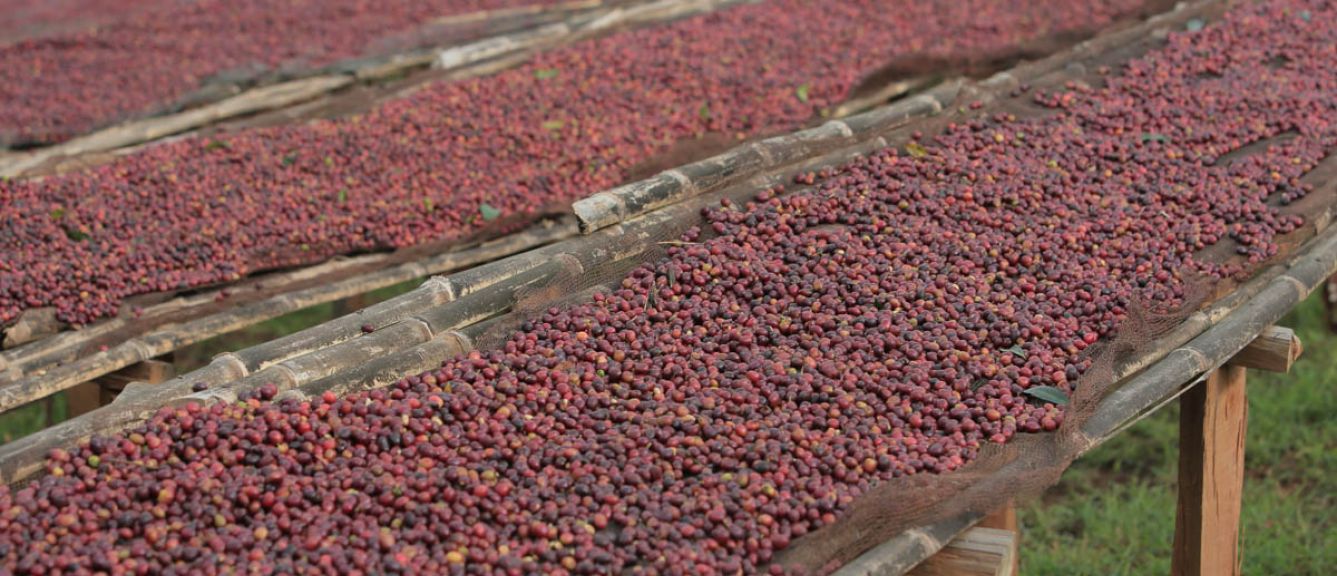
This lot comes from a processing site in Suke Quto region, Ethiopia's Southern Guji Zone, where altitudes top 2200 meters. It's worth noting that this is a pretty generic name, in that it's common practice to name your processing site after the nearest town. So there are several other "Suke Quto"s as well. This Suke Quto is managed by Ismael Hassen from Kayon Mountain coffee, a name you might be familiar with from coffees of previous years (currently, also selling Goro Bedessa and Guji Buku from this group). They do a fantastic job controlling quality, consistently providing us with some of our top scoring Ethiopian coffees. Sorting out imperfect coffee cherry starts on delivery, and extends all the way to the drying tables. Farmers must hand sort the cherry for defects before it is received. The cherry is then floated in tanks of water to catch any underripe coffee before the processing begins. For dry process coffee, the whole cherries are laid to dry on raised beds for 2-3 weeks, during which workers turn the coffee and continue the process of picking out any undesirable coffee cherry. Buku's beds are built with split bamboo reeds so they're flat and quite sturdy, then a layer of cloth to allow air to pass through the beds. You see a lot of chicken wire used at other sites, which tends to sag, creating uneven coffee layers.This lot stood out as being very aromatic, intensely sweet, and berry-forward. It's really a stunning dry process coffee! When roasting, expect a higher instance of chaff, and darker roast coloring. This is par for the course for dry process coffees, and just means adjusting visual queues a little, and of course, vacuuming out your roaster between batches. It's a small added effort to get to enjoy such an incredible tasting natural!
| Region | Suke Quto, Guji Zone |
|---|---|
| Processing | Dry Process (Natural) |
| Drying Method | Raised Bed Sun-Dried |
| Arrival date | September 2025 Arrival |
| Lot size | 100 |
| Bag size | 60 KG |
| Packaging | GrainPro Liner |
| Farm Gate | Yes |
| Cultivar Detail | Heirloom Varieties |
| Grade | Grade 1 |
| Appearance | .6 d/300gr, 14-17 Screen - we found a few partial quakers in 300g of coffee, but nothing egregious |
| Roast Recommendations | City to Full City |
| Type | Farm Gate |